


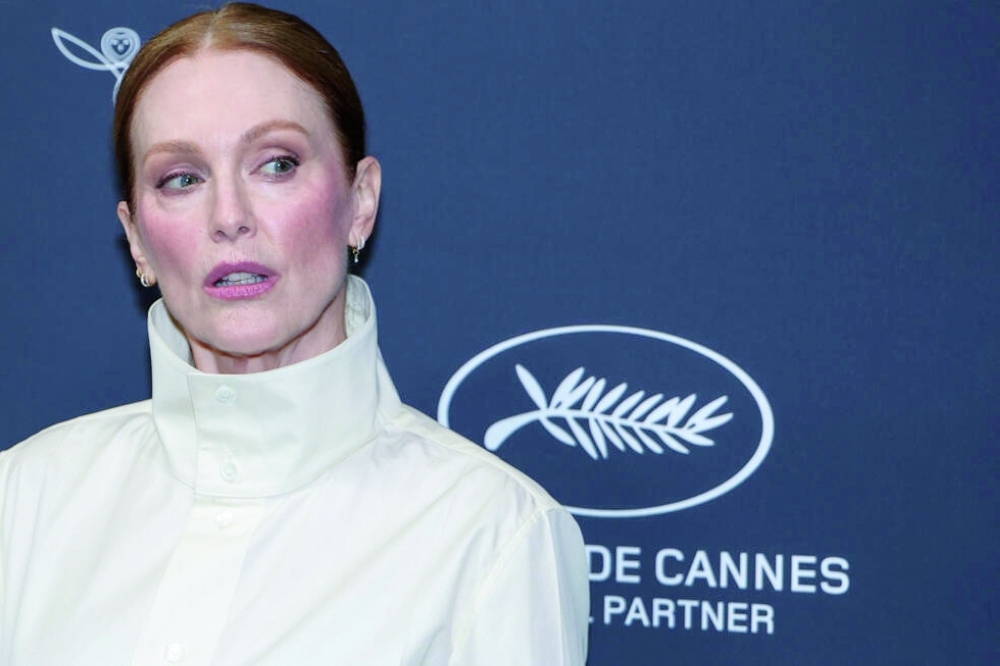





Films by two women directors wrapped up the main competition at the 2026 Cannes Film Festival on Friday, with men once again dominating the lineup, highlighting an industry where progress towards gender parity has stalled.
Only five of the 22 films in the main competition this year were directed by women, including “The Dreamed Adventure” by German filmmaker Valeska Grisebach and “The Birthday Party” by French director Lea Mysius, both of which premiered on the festival’s final day.
“I can’t really explain it because I’m not the committee. I’m not the one who decides”, Grisebach said. “I’m surrounded by many great female filmmakers”.
Only three women have won the Palme d’Or in the 79-year history of the Cannes Film Festival. In 1993, Jane Campion became the first woman to win for The Piano. French directors Julia Ducournau and Justine Triet followed with victories for Titane and Anatomy of a Fall respectively.
French director Geraldine Nakache, whose latest film Si Tu Penses Bien screened in a parallel section of the festival, said she felt “a bit powerless”.
“I’m here with my film and I tell myself, ‘I’m lucky to be here’, that things are moving forwards and then someone shows me the statistics”, she said.
Festival organisers also faced criticism this year for using Thelma and Louise on the official poster. Feminist collective Collectif 50/50 accused organisers of “feminism washing” by featuring actors Geena Davis and Susan Sarandon in promotional material.
“Programming is a political act”, Fanny De Casimacker from the collective said. “If only 23 per cent of directors in competition are women, we’re going to miss out on some stories”.
Festival director Thierry Fremaux defended the selection process, noting that Cannes juries and governing bodies are gender balanced, while acknowledging that the festival alone cannot solve wider industry inequalities.
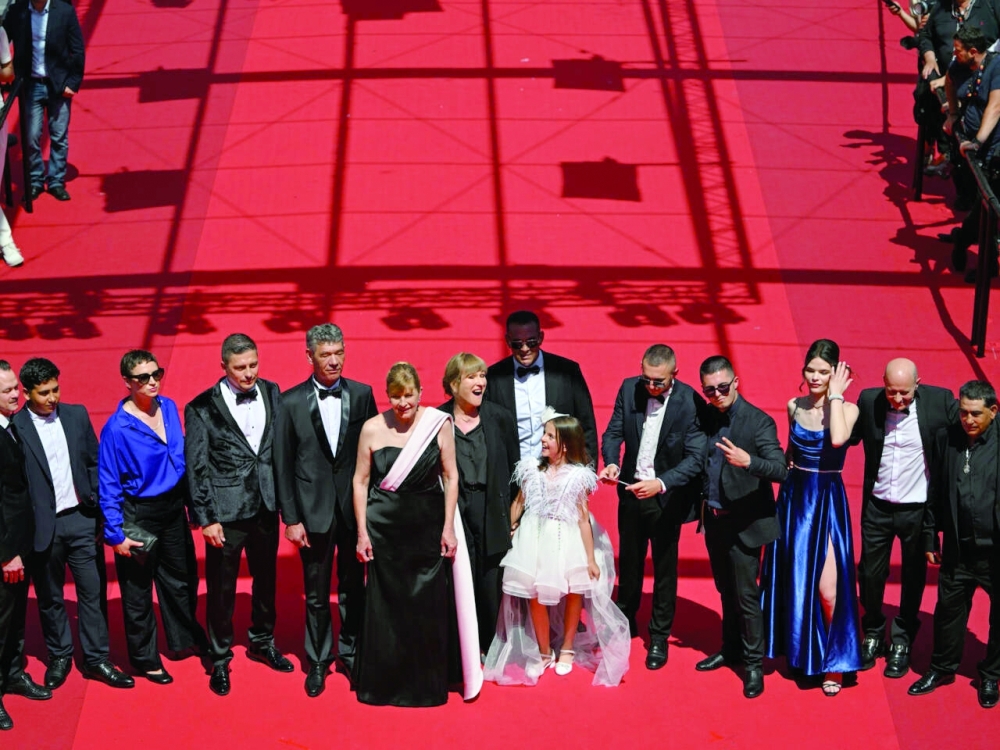
“If we are hesitating between two films ... and that hesitation is between a film by a male director and a film by a female director, we will choose the film by the female director”, Fremaux said at the start of the festival.
Women directed 34 per cent of all feature films selected across the festival’s official programme, including parallel sections, according to Cannes figures.
“The figures show that things are moving forwards, that it’s slow, that it’s not enough”, Fremaux said.
The imbalance extends beyond Cannes. A study by the University of Southern California’s Annenberg Inclusion Initiative found that only nine of the 100 biggest US films last year were directed by women.
Speaking at Cannes, actress Julianne Moore said the number of women and girls in top-grossing films had dropped to 37 per cent, marking a 10 per cent decline in one year.
“It’s not endemic just to the film industry, it’s global”, Moore said after receiving a Women In Motion award from luxury group Kering.
“There’s not representation in the media, there’s not representation in higher education. There are lots of places where we don’t have the representation we deserve”, she added.
Actress Cate Blanchett also said progress since the 2017 #MeToo movement had slowed.
“I’m still on film sets and I do the headcount every day... there’s 10 women and there’s 75 men every morning”, Blanchett said. — AFP
Oman Observer is now on the WhatsApp channel. Click here


